jQuery(function($) { function closeAllOffCanvas(exceptID = null) { let anyOpen = false; // Track if another Off-Canvas remains open $(".e-off-canvas").each(function() { let canvasID = $(this).attr("id"); if (!exceptID || canvasID !== exceptID) { $(this).removeClass("e-off-canvas-visible") .addClass("e-off-canvas-hidden") .attr("aria-hidden", "true") .css({ "z-index": "10", "visibility": "hidden", "opacity": "0" }); // Full removal delay set to 0ms setTimeout(() => { if ($(this).attr("aria-hidden") === "true") { $(this).css("display", "none"); } }, 0); } else { anyOpen = true; // At least one Off-Canvas is still open } }); } function openOffCanvas(targetID) { let targetCanvas = $(targetID); if (targetCanvas.length) { // Close all others EXCEPT the one we're opening closeAllOffCanvas(targetID); // Open immediately with delay set to 0ms setTimeout(() => { targetCanvas.removeClass("e-off-canvas-hidden") .addClass("e-off-canvas-visible") .attr("aria-hidden", "false") .css({ "z-index": "9999", "visibility": "visible", "opacity": "1", "display": "block" }); // Ensure the White Background Stays Visible $("body").addClass("off-canvas-active"); // Force repaint after opening forceRepaint(); }, 0); } } // Decode Base64 function decodeBase64(str) { try { return atob(str); } catch (e) { return null; } } // Handle Elementor Off-Canvas OPEN clicks $(document).on('click', '[href*="elementor-action%3Aaction%3Doff_canvas%3Aopen"]', function(event) { event.preventDefault(); let href = decodeURIComponent($(this).attr("href")); let base64Match = href.match(/settings=([^&]+)/); if (base64Match) { let decodedSettings = decodeBase64(base64Match[1]); try { let settingsObj = JSON.parse(decodedSettings); if (settingsObj.id) { let offCanvasID = "#off-canvas-" + settingsObj.id; openOffCanvas(offCanvasID); } } catch (e) {} } }); // Handle Elementor Off-Canvas CLOSE clicks $(document).on('click', '[href*="elementor-action%3Aaction%3Doff_canvas%3Aclose"]', function(event) { event.preventDefault(); closeAllOffCanvas(); }); // Ensure all Off-Canvas elements start hidden (ONLY if NOT in Elementor Editor) function initializeOffCanvasVisibility() { // Check if the body does NOT have the Elementor edit mode class if (!$('body').hasClass('elementor-element-edit-mode')) { $(".e-off-canvas").each(function() { $(this).attr("aria-hidden", "true").css({ "z-index": "10", "visibility": "hidden", "opacity": "0", "display": "none" }); }); } } // Call the initialization function $(window).on('load', initializeOffCanvasVisibility); // Utility function to force repaint function forceRepaint() { if ($('body').length) { $('body')[0].style.display = 'none'; $('body')[0].offsetHeight; $('body')[0].style.display = ''; } } });

De l'énergie à l'ammoniac : Libérer le potentiel de stockage de l'énergie

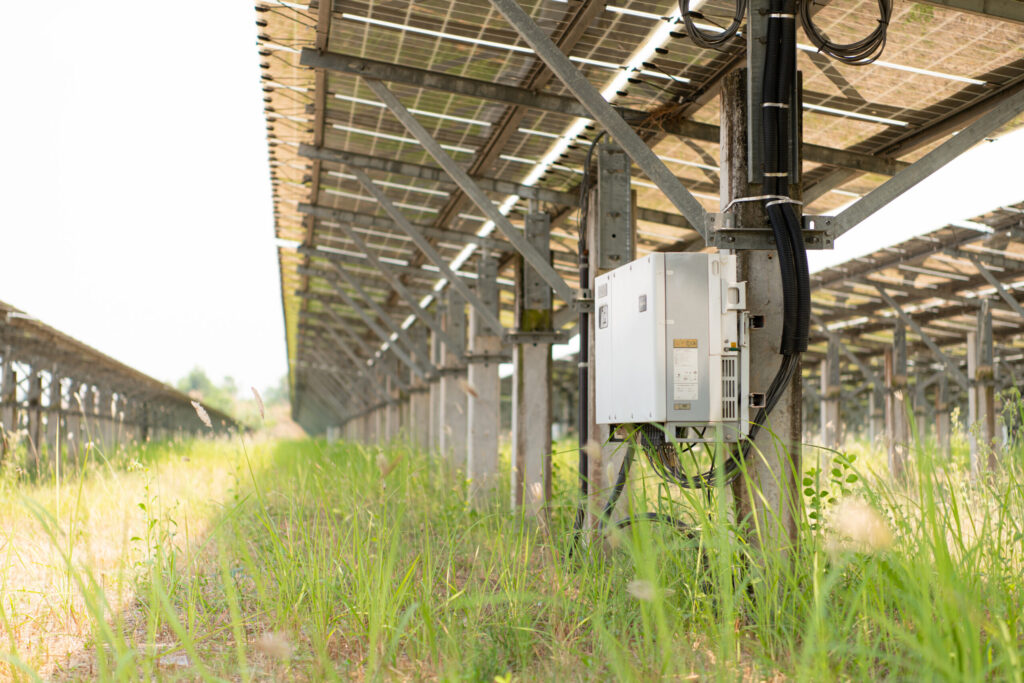
Alors que nous nous dirigeons vers un avenir fait d'énergies renouvelables, la nature intermittente de l'énergie éolienne et solaire représente un défi de taille. Mais que se passerait-il si nous pouvions stocker l'électricité excédentaire sous forme d'ammoniac ? Les solutions de stockage Power-to-Ammonia (P2A) ont le potentiel de révolutionner le stockage de l'énergie à grande échelle. En convertissant l'électricité excédentaire en ammoniac, nous pouvons stocker [&hellip ;]

FR