jQuery(function($) { function closeAllOffCanvas(exceptID = null) { let anyOpen = false; // Track if another Off-Canvas remains open $(".e-off-canvas").each(function() { let canvasID = $(this).attr("id"); if (!exceptID || canvasID !== exceptID) { $(this).removeClass("e-off-canvas-visible") .addClass("e-off-canvas-hidden") .attr("aria-hidden", "true") .css({ "z-index": "10", "visibility": "hidden", "opacity": "0" }); // Full removal delay set to 0ms setTimeout(() => { if ($(this).attr("aria-hidden") === "true") { $(this).css("display", "none"); } }, 0); } else { anyOpen = true; // At least one Off-Canvas is still open } }); } function openOffCanvas(targetID) { let targetCanvas = $(targetID); if (targetCanvas.length) { // Close all others EXCEPT the one we're opening closeAllOffCanvas(targetID); // Open immediately with delay set to 0ms setTimeout(() => { targetCanvas.removeClass("e-off-canvas-hidden") .addClass("e-off-canvas-visible") .attr("aria-hidden", "false") .css({ "z-index": "9999", "visibility": "visible", "opacity": "1", "display": "block" }); // Ensure the White Background Stays Visible $("body").addClass("off-canvas-active"); // Force repaint after opening forceRepaint(); }, 0); } } // Decode Base64 function decodeBase64(str) { try { return atob(str); } catch (e) { return null; } } // Handle Elementor Off-Canvas OPEN clicks $(document).on('click', '[href*="elementor-action%3Aaction%3Doff_canvas%3Aopen"]', function(event) { event.preventDefault(); let href = decodeURIComponent($(this).attr("href")); let base64Match = href.match(/settings=([^&]+)/); if (base64Match) { let decodedSettings = decodeBase64(base64Match[1]); try { let settingsObj = JSON.parse(decodedSettings); if (settingsObj.id) { let offCanvasID = "#off-canvas-" + settingsObj.id; openOffCanvas(offCanvasID); } } catch (e) {} } }); // Handle Elementor Off-Canvas CLOSE clicks $(document).on('click', '[href*="elementor-action%3Aaction%3Doff_canvas%3Aclose"]', function(event) { event.preventDefault(); closeAllOffCanvas(); }); // Ensure all Off-Canvas elements start hidden (ONLY if NOT in Elementor Editor) function initializeOffCanvasVisibility() { // Check if the body does NOT have the Elementor edit mode class if (!$('body').hasClass('elementor-element-edit-mode')) { $(".e-off-canvas").each(function() { $(this).attr("aria-hidden", "true").css({ "z-index": "10", "visibility": "hidden", "opacity": "0", "display": "none" }); }); } } // Call the initialization function $(window).on('load', initializeOffCanvasVisibility); // Utility function to force repaint function forceRepaint() { if ($('body').length) { $('body')[0].style.display = 'none'; $('body')[0].offsetHeight; $('body')[0].style.display = ''; } } });

What if machines could truly understand what they see?

What if machines could truly understand what they see?

At Jouvoli, we are expanding our capabilities in computer vision and intelligent systems to move closer to that reality.

Our aim is not just to process images, but to extract meaning from them, building intelligent systems that can see, understand and act. We design and deploy vision solutions that transform raw visual data into structured, actionable insight.

Our focus includes:

  • Deep learning models for complex visual pattern recognition
  • Edge AI deployment on embedded and robotic systems
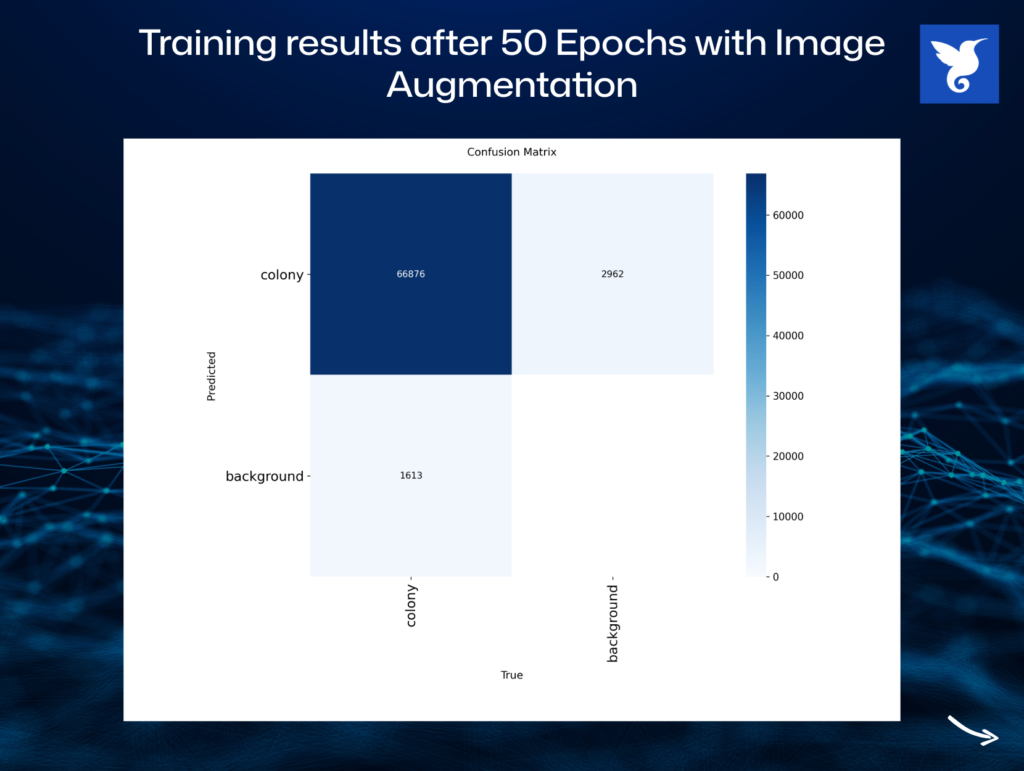
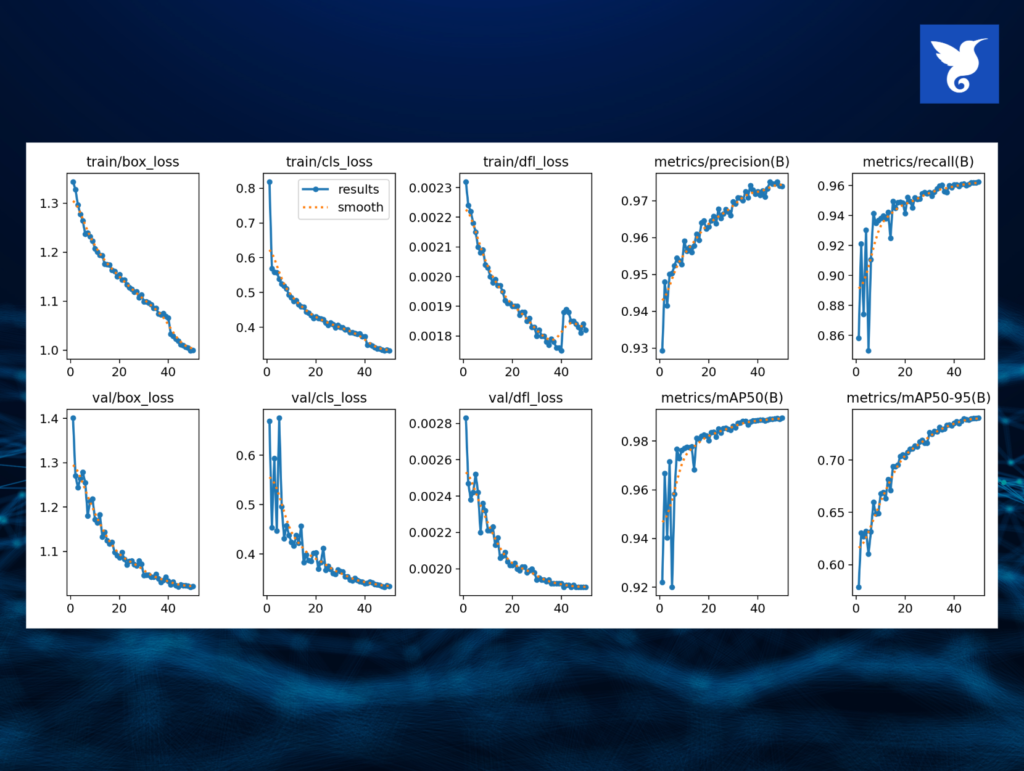
  • End-to-end ML pipelines (from data collection to production monitoring)

Computer vision is no longer simply about detecting objects in a frame. It is about enabling autonomous decision-making, increasing operational efficiency and unlocking new layers of intelligent automation.

Our priority is clear: translating visual perception into dependable, production-ready intelligence. 🚀
Share the Post:
EN